
Finding properly fitted golf clubs is crucial for a child’s development, impacting their swing, enjoyment, and overall success in the game.
Well-intentioned mistakes in club fitting can lead to frustration and bad habits that are tough to break, hindering a junior golfer’s progress.
This guide will help you measure your junior golfer, understand sizing charts, and choose the perfect set of clubs for optimal performance.
Why Proper Club Fitting Matters
Proper club fitting is paramount for junior golfers, directly influencing their ability to learn and enjoy the game. Ill-fitting clubs can hinder development, creating frustrating experiences and potentially leading to incorrect swing mechanics. A correctly sized club allows a child to maintain proper posture, promoting a consistent and efficient swing.
When clubs are the right length and weight, young players can develop muscle memory with correct form, building a solid foundation for future improvement. This fosters confidence and enthusiasm, making the learning process more enjoyable. Investing in a proper fit isn’t just about equipment; it’s about investing in a child’s golfing journey and potential.
The Impact of Ill-Fitting Clubs
Ill-fitting golf clubs can significantly impede a junior golfer’s progress, leading to a cascade of negative effects. Clubs that are too long can cause posture issues, making it difficult to consistently strike the ball. Conversely, clubs that are too short restrict a child’s swing arc, limiting power and distance. Heavy clubs can strain developing muscles, hindering swing speed and potentially causing injury.
These issues often result in frustration, discouraging young players and fostering bad habits that are difficult to correct later. Incorrectly sized clubs can also mask potential, preventing a child from realizing their full golfing capabilities. Prioritizing a proper fit is essential for a positive and productive learning experience.

Understanding Junior Golf Club Sizing Charts
Junior golf club sizing charts are essential tools for determining appropriate club length, weight, and flexibility for young players, ensuring comfort and success.
Age and Height as Primary Factors
Age and height are the foundational elements when initially navigating junior golf club sizing charts. These two metrics provide a crucial starting point for determining appropriate club length. Generally, club length is directly proportional to a golfer’s height; taller players require longer clubs to maintain proper posture and swing mechanics.
However, it’s vital to remember that age is merely a guideline, as children of the same age can exhibit significant height variations. Therefore, prioritizing height measurement over age alone is recommended. Utilizing a comprehensive sizing chart that considers both factors will yield a more accurate initial club selection, setting the stage for further refinement.
The Role of Swing Speed
Swing speed is a critical, yet often overlooked, factor in junior golf club fitting. While height and age provide a baseline, a child’s swing speed dictates the appropriate shaft flex and weight. Faster swing speeds generally necessitate stiffer shafts to prevent excessive bending and maintain control.
Conversely, slower swing speeds benefit from more flexible shafts, aiding in clubhead speed and launch. Observing a child’s swing or utilizing a swing speed measurement tool provides valuable insight. Ignoring swing speed can lead to clubs that are either too difficult to control or lack the power needed for optimal performance.
Considering Strength and Athletic Ability
Beyond height and swing speed, a junior golfer’s physical strength and overall athletic ability play a significant role in club fitting. A stronger child might handle a slightly heavier club more effectively, promoting stability and power. Conversely, a less physically developed child requires lighter clubs to maintain control and avoid strain.
Consider their general athleticism – are they naturally coordinated and active? This impacts their ability to generate clubhead speed and manage club weight. Prioritizing clubs that match their physical capabilities fosters confidence and prevents the development of poor swing mechanics due to equipment limitations.

Key Measurements for Junior Golf Club Fitting
Accurate measurements are essential for proper club fitting, ensuring optimal performance and comfort for young golfers. Height, wrist-to-floor, and arm length are critical factors.
Height Measurement Guidelines
Measuring height accurately is the foundational step in junior golf club fitting, directly influencing recommended club length. Have the junior golfer stand straight against a wall, wearing golf shoes.
Use a measuring tape to determine their total height, ensuring their head, shoulders, and heels all touch the wall. Record the measurement in inches or centimeters, being precise to the nearest half-inch.
This height measurement is then cross-referenced with junior golf club sizing charts to establish a starting point for club length recommendations. Remember, height is a primary, but not the sole, determinant.
Consider growth spurts; it’s often better to slightly err on the shorter side, allowing for adjustments as the child grows.
Wrist-to-Floor Measurement
The wrist-to-floor measurement provides a more personalized club fitting assessment than height alone, accounting for individual body proportions. Have the junior golfer stand with arms relaxed and slightly away from the body.
Measure from the crease of the wrist (on the lead arm – left for right-handed golfers) down to the floor, again wearing golf shoes. Ensure the golfer maintains a natural, relaxed posture during measurement.
This measurement is crucial for determining the appropriate club length, especially for those who don’t perfectly align with standard age/height charts.
Accurate wrist-to-floor data helps optimize swing mechanics and promotes proper posture, leading to improved consistency and control.
Arm Length Considerations
Arm length significantly impacts swing dynamics and club selection for junior golfers. Longer arms generally require slightly longer clubs to maintain proper posture and swing plane.
Consider the golfer’s overall build; a child with longer arms relative to their height may need a club length adjustment beyond what standard charts suggest.
Observe the golfer’s swing – if they are reaching excessively or appear cramped, arm length is a key factor to address during fitting.
Combining arm length assessment with wrist-to-floor and height measurements provides a comprehensive understanding for optimal club fitting.
Junior Golf Club Sizing Charts by Age
Age and height are primary factors in determining appropriate junior golf club sizes, offering a starting point for finding the right fit for young players.
Charts categorize golfers into age groups – 5-7 (starter), 8-10 (intermediate), and 11-14 (advanced) – with corresponding club length recommendations.
Ages 5-7: Starter Clubs
For the youngest golfers, ages 5-7, the focus is on introducing the game with clubs that are incredibly lightweight and appropriately sized for their small stature. Typically, a driver length of 27-30 inches and iron lengths of 24-26 inches are recommended, but this varies greatly.
These “starter” clubs prioritize ease of swing and building confidence. Weight is paramount; clubs should be very light, often under 18 ounces, to allow children to develop a proper swing without struggling against the club itself.
Consider purchasing individual clubs rather than full sets at this age, as growth spurts are common, and a full set may quickly become unusable. Prioritize fun and fundamental development over precision at this stage.
Ages 8-10: Intermediate Clubs
As junior golfers mature, typically between ages 8 and 10, their physical development allows for slightly longer and heavier clubs. Driver lengths generally range from 30-33 inches, while iron lengths fall between 26-28 inches, depending on height and swing development.
At this stage, a more complete set of clubs becomes viable, including a driver, fairway wood, hybrid, irons (5-9), and a putter. Club weight should still be relatively light, but a slight increase is appropriate to encourage swing power.
Focus shifts towards developing a more consistent swing and learning basic golf techniques. Proper fitting remains crucial to prevent bad habits and maximize enjoyment.
Ages 11-14: Advanced Clubs
For junior golfers aged 11-14, club sizing closely mirrors adult standards, with adjustments made for individual height and strength. Driver lengths typically range from 38-42 inches, and iron lengths from 32-36 inches, requiring more precise measurements.
At this level, a full set of clubs is standard, including a driver, fairway woods, hybrids, irons (3-9), wedges, and a putter. Shaft flex becomes increasingly important, transitioning towards regular or even stiff flex for stronger players.
Focus is on refining technique and developing a consistent, powerful swing. Accurate club fitting is paramount for maximizing potential and fostering a love for the game.

Specific Club Types and Sizing
Different clubs require unique sizing considerations for juniors, ensuring optimal performance and swing mechanics. Proper length and weight are vital for each club type.
Drivers need appropriate length for swing arc, irons for comfortable stance, and putters for consistent alignment and stroke control.
Driver Sizing for Juniors
Selecting the right driver size for a junior golfer is paramount for developing a consistent and powerful swing. Unlike adult drivers, junior drivers prioritize manageability and control over sheer distance. Generally, driver length correlates with the junior golfer’s height, but swing speed also plays a crucial role.
Younger players, typically between 5-8 years old, often benefit from shorter driver lengths (27-30 inches) and lighter weights to encourage proper swing development. As they grow (ages 9-14), driver length can gradually increase (31-34 inches) alongside increasing strength and swing speed.
It’s essential to avoid drivers that are too long or heavy, as these can hinder swing mechanics and lead to frustration. Consulting a sizing chart and, ideally, a professional fitting is highly recommended.
Iron Sizing for Juniors
Proper iron sizing is fundamental for a junior golfer’s technique, influencing their ability to make solid contact and develop a repeatable swing. Iron length, like with drivers, is primarily determined by height, but wrist-to-floor measurement is also incredibly valuable. Shorter irons are easier to control, especially for beginners.
For younger juniors (ages 5-8), irons in the 24-27 inch range are common, with lighter weights to promote swing speed. As they progress (ages 9-14), iron length can increase to 28-32 inches, aligning with their growth and strength.
Avoid overly long or heavy irons, as they can compromise swing mechanics. A professional fitting ensures optimal iron sizing for maximum performance and enjoyment.
Putter Sizing for Juniors
Putter sizing for junior golfers often gets overlooked, yet it’s crucial for developing a consistent putting stroke. Unlike irons and drivers, putter length is more about comfort and posture than strict height guidelines. A putter that’s too long or short can lead to inconsistencies in alignment and stroke path.
Generally, junior putters range from 26 to 32 inches, depending on the child’s height and arm length. Observing their natural putting stance is key – their eyes should be comfortably over the ball.
Grip size is also important; smaller grips are easier for smaller hands to control. Prioritize a putter that feels balanced and allows for a smooth, pendulum-like stroke.
Weight and Flex Considerations
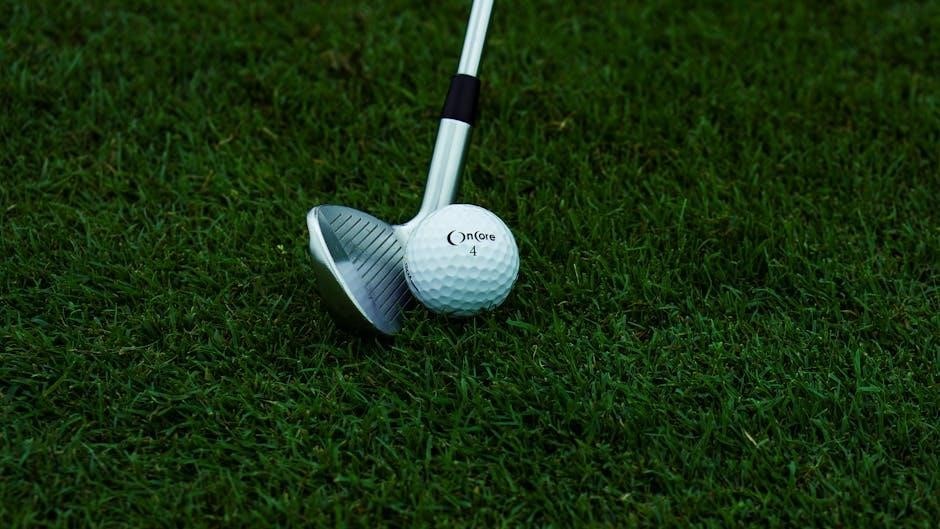
Lightweight clubs are essential for junior golfers, promoting swing speed and control. Shaft flex should be junior-specific, allowing for proper loading and release.
Heavier clubs can hinder development, leading to poor swing mechanics and potential injuries. Prioritize lighter materials and appropriate flex for optimal performance.
Lightweight Club Options
Selecting lightweight clubs is paramount for junior golfers, as it directly impacts their ability to develop a proper swing. Traditional adult clubs are often too heavy, hindering swing speed and potentially leading to incorrect form. Manufacturers now offer clubs specifically designed with lighter materials, such as graphite shafts and lighter clubheads.
These lighter components allow young players to generate more clubhead speed with less effort, fostering better control and accuracy. Look for clubs with total weights appropriate for the child’s age and strength. Consider junior-specific club sets that prioritize lightweight construction throughout the entire club, not just the shaft.
This ensures a balanced feel and promotes a smooth, repeatable swing, setting the foundation for long-term success and enjoyment of the game.
Shaft Flex and Junior Golfers
Shaft flex is a critical consideration often overlooked in junior golf club fitting. Unlike adult golfers, juniors generally require more flexible shafts to accommodate their developing swing speeds. A shaft that is too stiff will be difficult to load and can result in a loss of distance and control.
Typically, younger or less powerful juniors benefit from more flexible shafts, often labeled as “Junior” or “Ladies” flex. As they grow and their swing speed increases, a slightly stiffer flex may be appropriate.
Experimentation and observation are key; a shaft that allows the junior golfer to achieve a full release and maintain control is ideal for optimal performance.

Brand-Specific Sizing Variations
Different manufacturers employ unique sizing approaches, so always cross-reference general charts with brand-specific recommendations like Callaway, TaylorMade, or US Kids Golf.
Callaway Junior Club Sizing
Callaway offers a comprehensive range of junior clubs designed to accommodate various ages and skill levels, with a focus on lightweight construction and forgiving designs. Their sizing charts typically consider both age and height, providing recommendations for club length.
However, Callaway also emphasizes the importance of swing characteristics. They often categorize junior golfers into beginner, intermediate, and advanced levels, adjusting club specifications accordingly.
It’s crucial to consult the official Callaway Junior Club sizing guide on their website for the most accurate recommendations, as variations exist between different club series. Consider visiting a Callaway retailer for a professional fitting to ensure optimal club selection for your young golfer.
TaylorMade Junior Club Sizing
TaylorMade provides junior golf clubs engineered with similar technology found in their adult lines, scaled down for younger players. Their sizing recommendations generally rely on a combination of age, height, and sometimes, weight.
TaylorMade’s charts often categorize juniors into distinct height brackets, correlating these to specific club lengths for irons and woods. They prioritize lightweight shafts and grips to promote proper swing development.
For the most precise sizing, refer to the official TaylorMade Junior Club sizing chart available on their website. A professional fitting at a TaylorMade authorized retailer is highly recommended, allowing for personalized adjustments based on swing speed and ability.
US Kids Golf Sizing Charts
US Kids Golf is renowned for its comprehensive and detailed junior club sizing system, considered a gold standard in the industry. They emphasize a precise fitting process based on wrist-to-floor measurement, rather than solely relying on age or height.
Their charts offer a wide range of club sizes, accommodating even the smallest golfers, and are categorized by color-coded systems for easy identification. US Kids Golf provides online sizing tools and resources to assist parents and coaches.
Professional fittings are also available through US Kids Golf retailers, ensuring optimal club selection for a child’s individual swing characteristics and physical attributes.
Adjustable Junior Golf Clubs
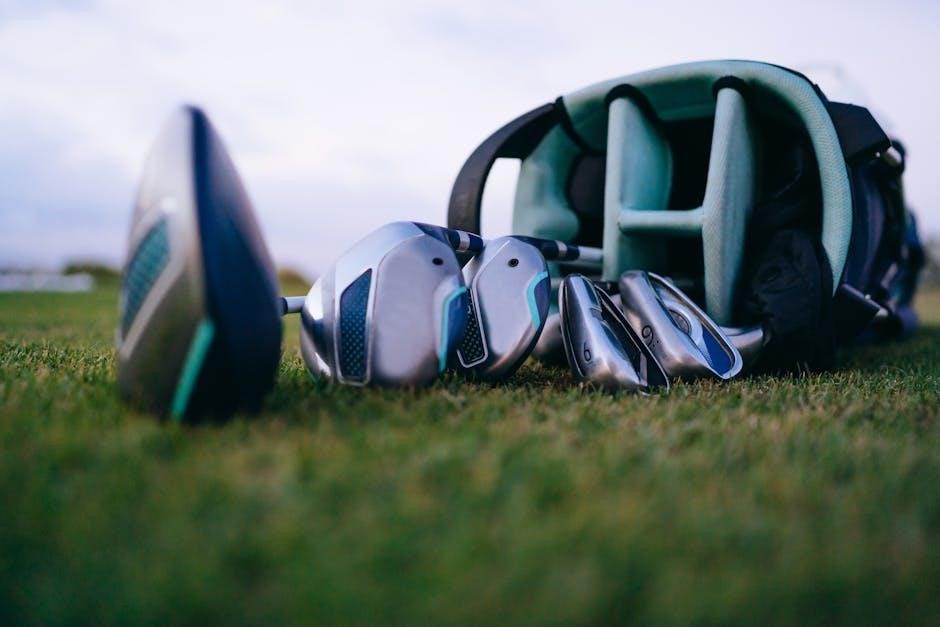
Adjustable clubs offer a cost-effective solution as children grow, allowing for length and weight modifications to accommodate their evolving size and strength.
However, adjustments have limitations; they may not perfectly replicate a custom fit, and excessive adjustments can compromise club performance.
Benefits of Adjustable Clubs
Adjustable junior golf clubs present a significant advantage for growing players, primarily through their cost-effectiveness. Instead of repeatedly purchasing new sets as a child gains height and strength, these clubs can be modified to suit their changing dimensions.
This adaptability extends the lifespan of the clubs, making them a financially sensible option for many families. Furthermore, adjustable features often include alterations to both length and weight, providing a more customized fit over time.
The ability to fine-tune club specifications can contribute to improved swing mechanics and enhanced confidence on the course, fostering a more positive learning experience for young golfers.
Limitations of Adjustable Clubs
While adjustable junior golf clubs offer convenience, they aren’t without limitations. The adjustment mechanisms can sometimes add weight to the clubhead, potentially impacting swing speed for smaller or less physically developed players.
Furthermore, the range of adjustability is finite; eventually, a child will outgrow the club’s capacity for modification, necessitating a new set.
Adjustable clubs may not provide the same level of precision as a fully custom-fitted club, potentially compromising optimal performance. It’s crucial to ensure adjustments are made correctly to avoid negatively affecting swing dynamics.
Where to Find Accurate Sizing Information
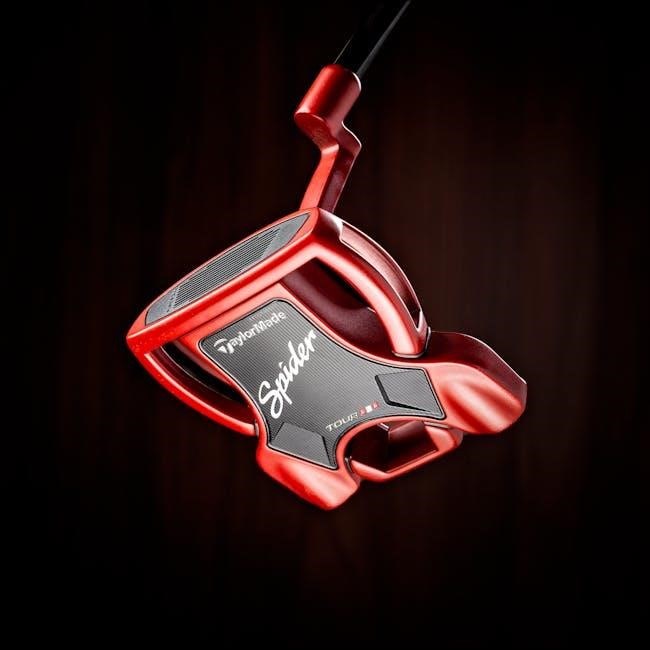
Reliable sizing data is available on manufacturer websites and from golf retailers offering professional fitting services, ensuring the best club selection.
Manufacturer Websites
Directly visiting the websites of major golf club manufacturers is an excellent starting point for finding accurate junior sizing information. Companies like Callaway, TaylorMade, and US Kids Golf dedicate sections to their junior lines, often including detailed charts based on age, height, and sometimes even weight.
These charts are frequently updated to reflect their latest club offerings and sizing recommendations. Beyond simple charts, some manufacturers provide online fitting guides or tools that can help narrow down the best options. Always cross-reference these recommendations, as variations can occur between brands.
Manufacturer sites also often feature FAQs and contact information for customer support, allowing you to address specific questions about sizing or club specifications.
Golf Retailers with Fitting Services
Seeking assistance from golf retailers offering professional fitting services is highly recommended, especially for a precise club selection. Experienced fitters can assess a junior golfer’s swing mechanics, physical attributes, and skill level to determine the optimal club specifications.
A proper fitting goes beyond simply measuring height and weight; it considers swing speed, tempo, and launch angle. Many retailers utilize launch monitors and video analysis to gather data and refine club recommendations. This personalized approach ensures a better fit than relying solely on generic sizing charts.
Look for retailers specializing in junior golf, as they’ll have a wider selection and more expertise in this area.
Avoiding Common Sizing Mistakes
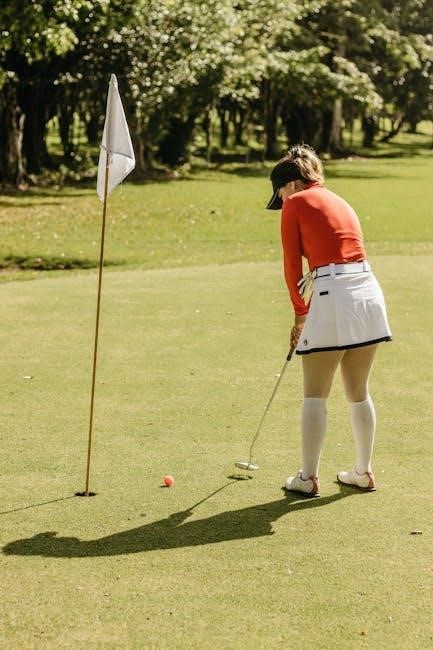
Purchasing clubs that are too long or too heavy is a frequent error, hindering a junior golfer’s swing development and potentially causing injury.
Prioritize proper fit over the desire to “grow into” the clubs; ill-fitting equipment creates frustration and reinforces incorrect swing patterns.
Buying Clubs Too Long
Selecting clubs that are too long for a junior golfer is a common mistake, often stemming from the belief that the child will quickly grow into them. However, this approach can be detrimental to their development. An overly long club forces the golfer to reach, disrupting their posture and swing mechanics.
This can lead to inconsistent contact, reduced power, and even an increased risk of injury. The child may struggle to control the clubhead, resulting in slices, hooks, or topped shots. Proper club length ensures the junior golfer maintains a comfortable and athletic stance, promoting a more efficient and repeatable swing. Always prioritize accurate sizing over anticipating future growth.
Buying Clubs Too Heavy
Purchasing golf clubs that are too heavy for a junior golfer can significantly hinder their progress and enjoyment of the game. A heavy club requires more strength to swing effectively, which most young players simply don’t possess. This can lead to a slow swing speed, reduced distance, and a loss of control.
The child may struggle to maintain proper swing mechanics, resulting in an over-the-top motion or other compensations. Lightweight clubs allow for a smoother, more controlled swing, fostering better technique and building confidence. Prioritize clubs that match the junior golfer’s strength and athletic ability, ensuring a positive learning experience.
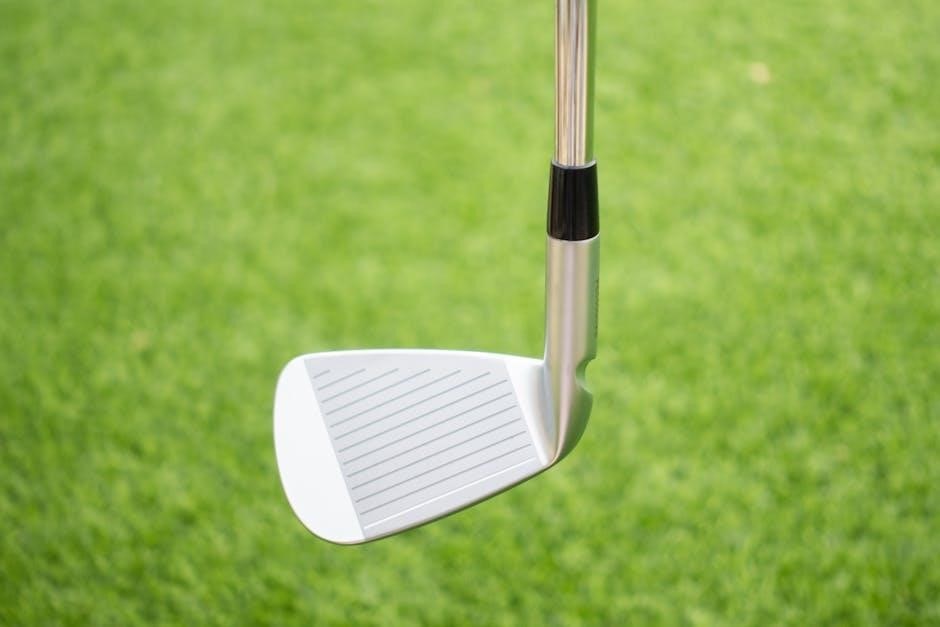
The Future of Junior Golf Club Technology
Innovations in junior club design are constantly emerging, with a focus on lightweight materials and enhanced adjustability for personalized fitting options.
Custom fitting is becoming more accessible, ensuring young golfers have equipment tailored to their unique swings and physical attributes.
Innovations in Junior Club Design
Recent advancements in materials science are revolutionizing junior golf club design, moving beyond traditional steel to incorporate lightweight graphite and composite materials. These innovations significantly reduce club weight, making them easier for young players to swing with control and consistency.
Manufacturers are also focusing on clubhead designs that promote higher launch angles and increased forgiveness, crucial for developing golfers. Adjustable club features, like adjustable hosels and weighting systems, are becoming increasingly common, allowing for fine-tuning to match a child’s evolving swing and growth.
Ergonomic grip designs, specifically sized for smaller hands, further enhance comfort and control, fostering a positive learning experience. These design improvements aim to maximize performance and enjoyment for junior golfers.
Custom Fitting Options for Juniors
While traditionally reserved for adult golfers, custom fitting is becoming increasingly accessible for juniors, offering a truly personalized club experience. This involves a comprehensive assessment of a child’s swing characteristics, including swing speed, launch angle, and ball flight.
Professional fitters utilize launch monitors and video analysis to identify optimal club length, lie angle, shaft flex, and grip size. Custom fitting ensures that clubs are perfectly matched to a junior golfer’s individual needs, maximizing performance and preventing the development of poor swing habits.
Though more expensive than off-the-rack options, the investment in a custom fit can yield significant long-term benefits, fostering a love for the game and accelerating skill development.